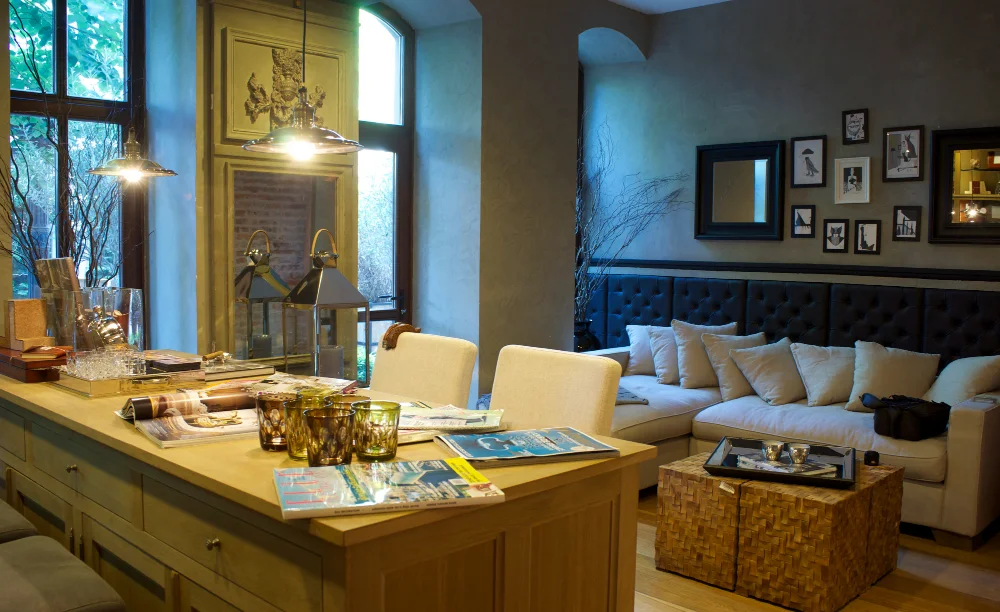
Creating a beautiful space is no longer just about decoration. Today’s interiors must balance style, comfort, and practicality. Whether it is a home or a business environment, thoughtful design helps people live and work more efficiently while enjoying a visually pleasing atmosphere.
Modern interior design focuses on smart planning, efficient use of space, and personalized aesthetics. Instead of filling rooms with trendy items, the goal is to create spaces that support everyday life while maintaining elegance. When design choices are intentional, even small areas can feel open, organized, and inviting.
This guide explores smart interior design strategies that help transform ordinary spaces into stylish and functional environments.
See also Minimalistic Furniture Styles That Fit Australian Homes
Understanding the Purpose of Every Space
One of the most important steps in interior design is identifying how a space will be used. A room that looks attractive but does not support daily activities can quickly become frustrating.
For example, a living room designed purely for visual appeal may lack comfortable seating or adequate lighting. On the other hand, a well-planned room considers both aesthetics and practicality.
Before selecting furniture or colors, ask a few key questions:
- How will this space be used every day?
- How many people will use it regularly?
- What activities will take place here?
- What storage or organization needs exist?
Answering these questions helps guide design decisions that improve both appearance and usability.
Choosing a Functional Layout
The layout of a room determines how easily people can move and interact within it. A good layout creates balance and flow while avoiding clutter.
One popular strategy is the zoning approach, which divides a room into specific functional areas. For example, an open living space might include:
- A seating zone for relaxation
- A reading corner near natural light
- A small workspace or desk area
This method ensures that each activity has its own dedicated space without overcrowding the room.
Furniture placement also plays a major role. Instead of pushing all furniture against walls, designers often position pieces strategically to define areas and improve movement.
Prioritizing Natural Light
Lighting dramatically influences the atmosphere of a room. Natural light not only makes spaces feel larger but also improves mood and energy levels.
Modern interior design strategies focus on maximizing daylight wherever possible. Simple adjustments can make a big difference:
- Using light-colored walls to reflect sunlight
- Choosing sheer curtains instead of heavy drapes
- Positioning mirrors to bounce light around the room
- Keeping windows clear of bulky furniture
When natural light is limited, layered lighting becomes essential. Combining ceiling lights, floor lamps, and accent lighting helps create a comfortable and flexible environment.
Selecting Multifunctional Furniture
As living spaces become smaller in many urban areas, multifunctional furniture has become increasingly important.
Pieces that serve more than one purpose help maintain a clean and organized interior without sacrificing comfort.
Examples include:
- Sofa beds that provide extra sleeping space
- Storage ottomans that hide blankets or books
- Expandable dining tables for flexible seating
- Wall-mounted desks that fold away when not in use
These solutions are particularly valuable in apartments, small homes, and home offices where maximizing space is essential.
Creating Smart Storage Solutions
Clutter is one of the biggest obstacles to a stylish interior. Even beautifully designed rooms can feel chaotic if there is no proper storage.
Modern design emphasizes hidden and integrated storage to keep spaces tidy while maintaining visual appeal.
Effective storage strategies include:
- Built-in shelving units
- Under-bed storage drawers
- Vertical cabinets that utilize wall space
- Floating shelves for decorative items
The goal is to ensure that everyday items have designated places without overwhelming the design.
Balancing Style with Practical Materials
Interior design trends constantly evolve, but durability should never be ignored. Choosing materials that look good while standing up to daily use is essential.
For high-traffic areas such as kitchens and living rooms, materials should be both stylish and resilient.
Some practical choices include:
- Quartz countertops for durability and easy maintenance
- Engineered wood flooring for long-term stability
- Washable wall paints that resist stains
- Performance fabrics for furniture
These materials allow homeowners to enjoy attractive interiors without worrying about constant repairs or replacements.
Using Color Strategically
Color has a powerful impact on how a space feels. Smart interior design uses color not just for decoration but also to influence perception and mood.
Neutral color palettes remain popular because they create a calm and timeless environment. Shades of white, beige, gray, and soft earth tones provide a versatile foundation that works with many styles.
Accent colors can then be added through:
- Decorative pillows
- Artwork
- Rugs
- Statement furniture pieces
This approach keeps the design flexible and easy to update as trends change.
Integrating Modern Technology
Technology has become an essential part of contemporary interiors. Smart homes now include features that enhance convenience, efficiency, and security.
Some common integrations include:
- Smart lighting systems that adjust brightness automatically
- Voice-controlled devices for entertainment and climate control
- Energy-efficient appliances
- Automated window shades
When technology is incorporated thoughtfully, it improves functionality without disrupting the design aesthetic.
Avoiding Common Design Pitfalls
Even with careful planning, many people make choices that limit the potential of their space. One frequent issue is focusing too heavily on trends rather than long-term usability.
Another common problem occurs during renovations when planning is rushed. This can lead to poor layout decisions, mismatched materials, or inefficient storage solutions. These challenges often become examples of Home Renovation Mistakes that could have been avoided with better preparation and design planning.
Taking time to evaluate needs, create a clear layout, and select durable materials helps prevent these problems before they occur.
Personalizing the Interior
While functionality is important, interiors should also reflect the personality of those who live or work in the space. Personal touches make rooms feel warm and authentic.
This can be achieved through:
- Artwork or photography that reflects personal interests
- Meaningful decorative objects
- Unique textures and fabrics
- Plants that bring natural energy into the room
These elements add character without overwhelming the design.
Designing for Long-Term Comfort
A successful interior design plan should work not only today but also in the future. Flexible spaces allow rooms to evolve as needs change.
For example:
- A guest room can double as a home office
- A dining area can function as a workspace during the day
- Modular furniture can adapt to different layouts
Designing with flexibility ensures that interiors remain functional for years to come.
Conclusion
Smart interior design goes far beyond choosing attractive furniture or trendy colors. It involves careful planning, thoughtful layouts, and practical solutions that enhance everyday living.
By focusing on natural light, multifunctional furniture, efficient storage, durable materials, and modern technology, any space can become both stylish and functional. The key is finding the right balance between aesthetics and usability.
When design decisions are guided by real lifestyle needs rather than temporary trends, interiors become more than just beautiful spaces. They become environments that support comfort, creativity, and productivity in daily life.